

Most people picture lost money as a forgotten coin jar or a twenty in an old coat. The real amounts are much larger, and they're usually sitting somewhere official: in a state treasury, waiting for an owner who has no idea it exists.
Across the country, states returned more than $4 billion to owners in a single recent year, and far more is still waiting. In several states, roughly one in ten residents has money on record. Here are the places it most often comes from, and why it's so easy to miss.
1. The final paycheck that never arrived

When someone changes jobs or moves, a last paycheck, commission, or expense reimbursement is often mailed to an old address. If it's never cashed, the employer eventually has to turn the money over to the state. It's one of the most common sources, and one of the easiest to forget, because nobody expects a paycheck to go missing.
2. A bank account that went quiet
A savings account opened years ago, a checking account kept "just in case," or a certificate of deposit that matured without anyone noticing. After a period with no activity, usually a few years, the bank must try to reach the owner. If its letters come back, the balance goes to the state.
3. Life insurance no one knew about

Many families never learn that a parent or grandparent had a life insurance policy, especially an older one bought through an employer or a small policy paid for decades. When the insurer can't find the beneficiaries, the benefit can end up with the state, sometimes many years after the policyholder passed away.
4. Stocks, dividends, and old investments
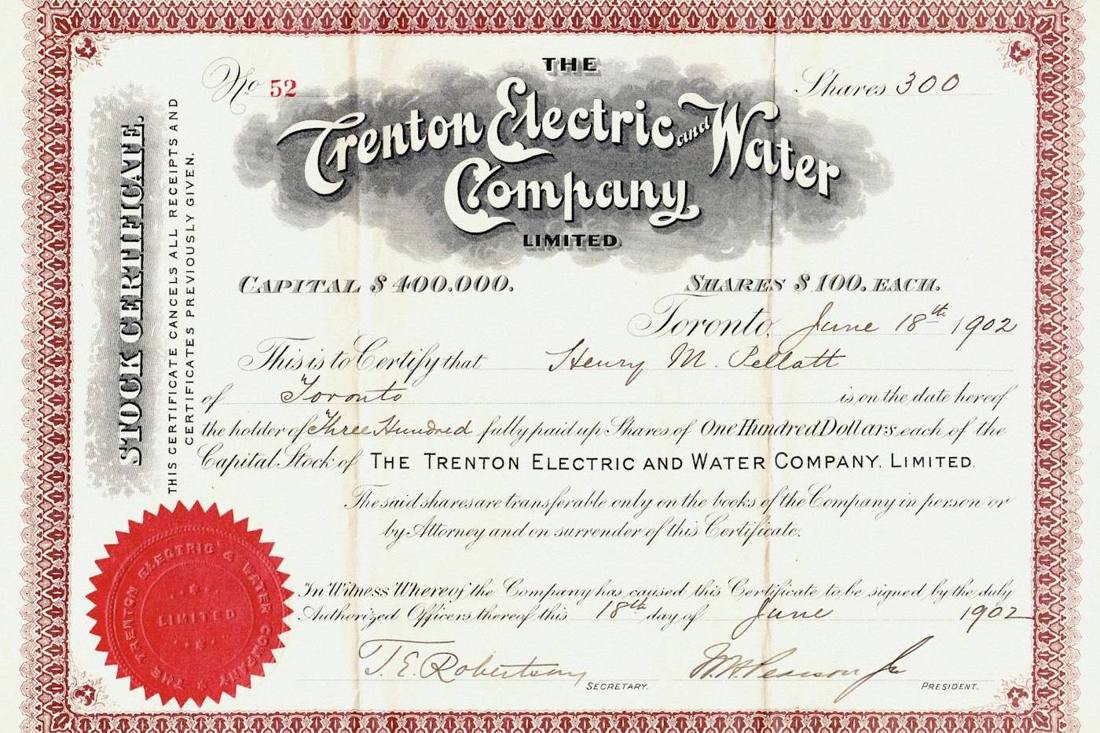
Shares bought long ago, dividend checks that went uncashed, or stock from a company that later merged or changed its name are all easy to lose track of. When a brokerage or transfer agent loses contact, the shares can be turned over to the state, and in some cases sold, with the owner entitled to the proceeds.
5. Refunds, deposits, and overpayments
Utility deposits, insurance premium refunds, rent and security deposits, and overpayments to businesses or government offices all add up. Each one is small on its own, which is exactly why people don't go looking for them.
6. A loved one's estate

When a family member passes away, it's rare for anyone to know about every account, policy, or investment they had. Money that belonged to them may be held by the state for years. Recovering it usually means showing who the rightful heirs are, which can involve death certificates, probate documents, and proof of each family relationship.
The longer money sits, the harder the paper trail becomes. Addresses change, companies merge, and the people who knew the details pass away.
7. Oil, gas, and mineral royalties

In states with a history of oil and gas production, royalty payments and mineral interests are a significant source of forgotten money. These interests are often passed down through several generations, and by the time anyone looks, the original owner may have died decades ago.
Why it stays lost
Money is reported under the name and address on the original account. If that address is twenty years old, misspelled, or in a state you left long ago, the letters never reach you. And when the owner has passed away, the state releases the money only once the right person has proven their claim to it.
That combination of old records, changed names, and legal proof is where most of the work lies. It's the work our research team does every day: tracing records back to their rightful owners, building the documentation each state requires, and seeing every claim through until the funds are released.
Did we contact you?
If you've received a call or letter from Lifetime Financial, it means our team has found money that may belong to you or your family. You can learn how to verify us, read what our clients say, or get in touch with any questions.