
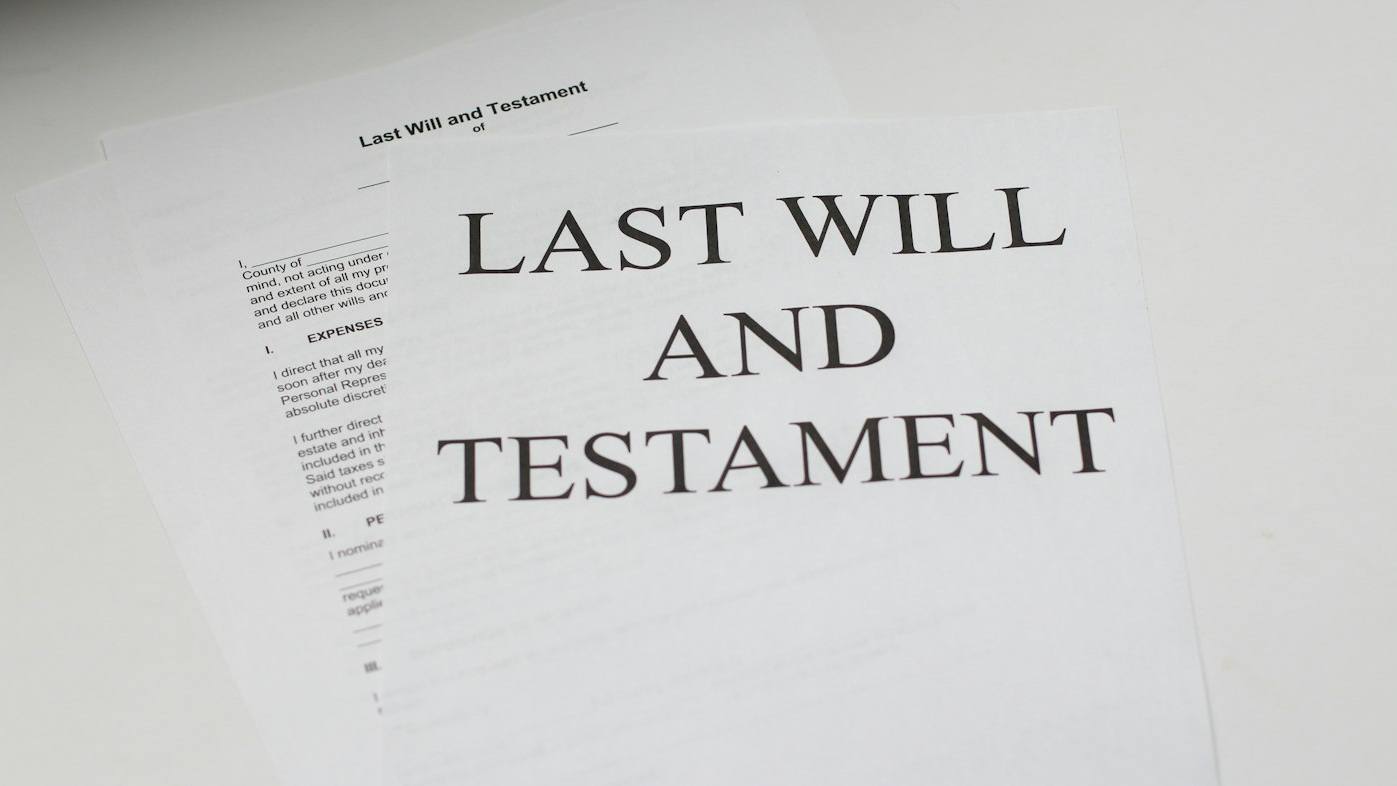
Losing a family member is hard enough. For many families, the weeks and months that follow bring a second surprise: money that clearly belonged to their loved one can't simply be handed over. A bank, an insurer, or a state treasury will usually ask for one thing first, proof of who has the legal right to it. Very often, that proof comes from probate.
What probate actually is
Probate is the court-supervised process of settling a person's affairs after they die. A court confirms whether there is a valid will, appoints someone to manage the estate, and oversees how debts are paid and property is passed to the people entitled to it.
The person the court appoints is called an executor when there is a will, or an administrator when there isn't. The court then issues a document, often called letters testamentary or letters of administration, that banks, insurers, and state offices rely on as proof that this person can act for the estate.
When probate comes into play
Not every estate goes through a full probate case, but many do, especially when:
- The person died without a will, or the will was never filed with a court
- The estate is larger than what a state allows to be settled informally
- Several heirs share the money, or some of them disagree
- Family members live in different states, or the person owned property in more than one state
- The person died years ago, and the estate was never formally settled
Why it can take so long
Probate follows a set order. The court has to appoint the representative, creditors are given time to come forward, debts and taxes are paid, and only then is property distributed. Courts in busy counties can have long waiting lists, and every document must be complete and consistent before anything moves forward.
Where forgotten money fits in

Here is something many families never learn: money that belonged to a loved one can surface long after their estate was settled. An old bank account, a life insurance policy, a final paycheck, or stock dividends may have been turned over to the state years ago, waiting under a name no one was looking for.
When that happens, the state will release the money only to the person who can prove their right to it. That can mean reopening an estate that was closed years ago, opening one that was never started, or documenting each heir across more than one generation. The paperwork has to match the state's records exactly, from names and dates to every family relationship.
The estates that get complicated
The most difficult cases tend to share the same features. The owner died decades ago. The original heirs have also passed away, so the money now belongs to their children or grandchildren. Family members are spread across several states, and nobody has the original documents. Each of these adds court filings, certified records, and careful proof before a single dollar is released.
A claim for a loved one's money is only as strong as the paper trail behind it.
How we help families through it
This is the work our team does every day. We identify the rightful heirs and document how each one is related to the owner. We work out which legal path an estate requires, and probate attorneys in our network handle the court filings when they're needed. Then we assemble the death certificates, court letters, and affidavits, and file them with the claim, complete and in order.
If you've received a call or letter from us about a family member's money, we're here to walk you through what we found. You can read our guide to the probate process, learn how to verify us, or get in touch with any questions.